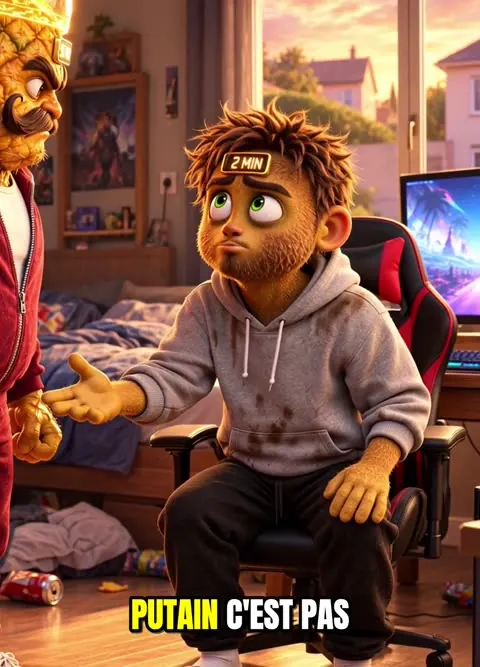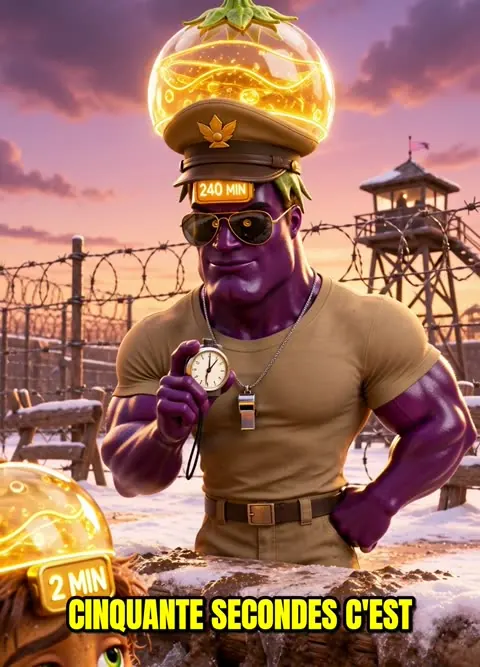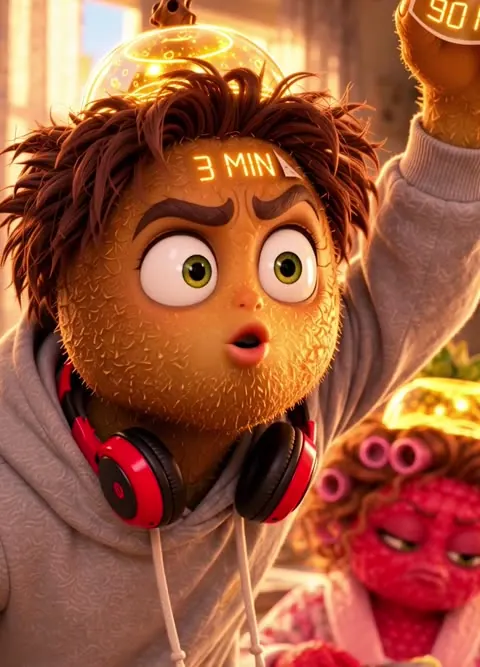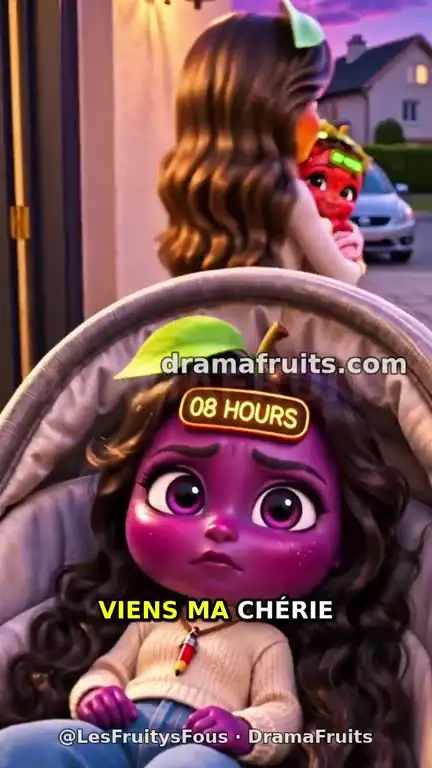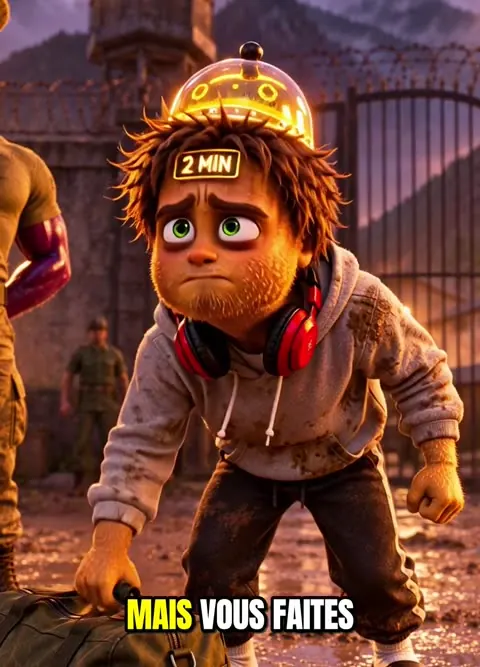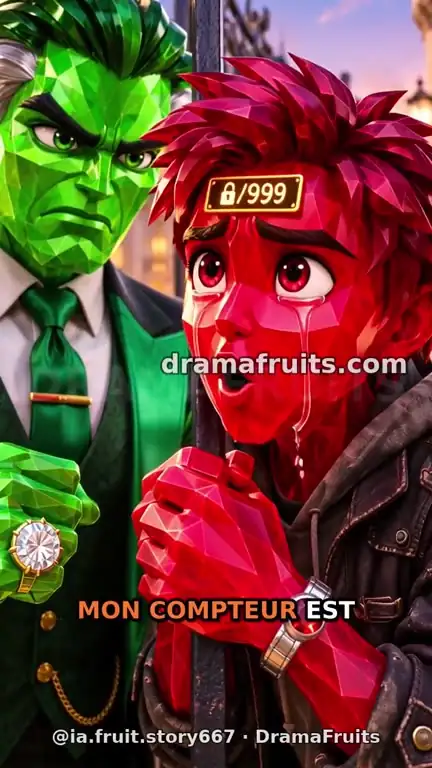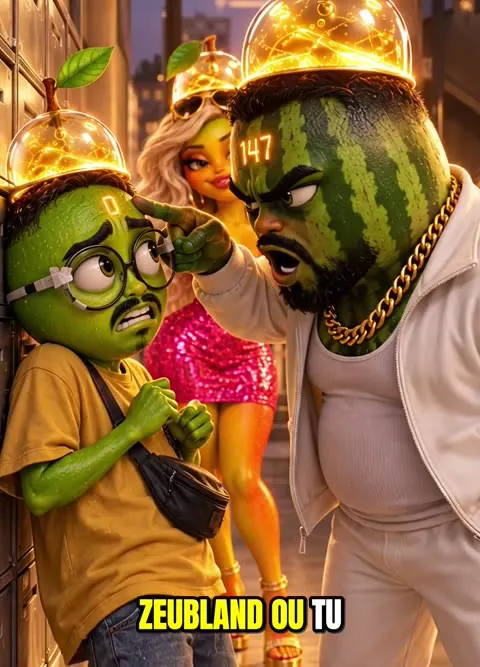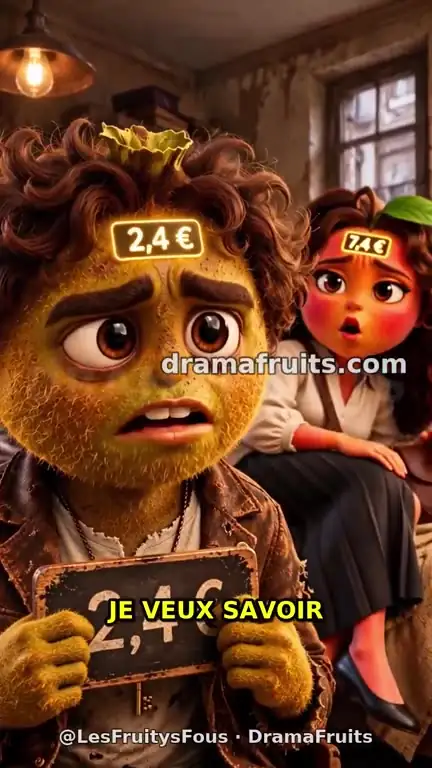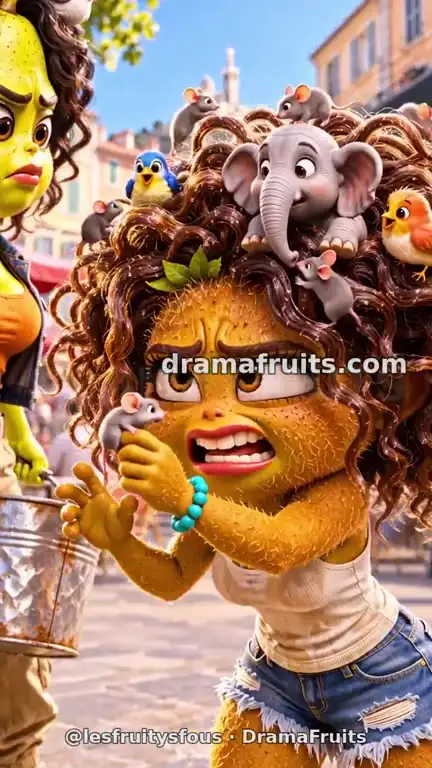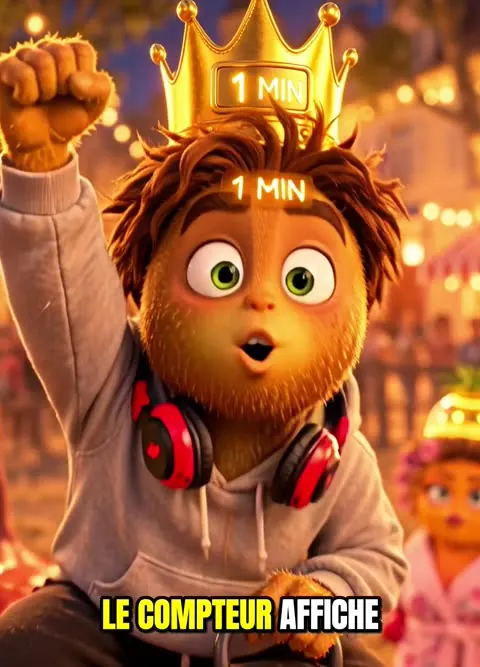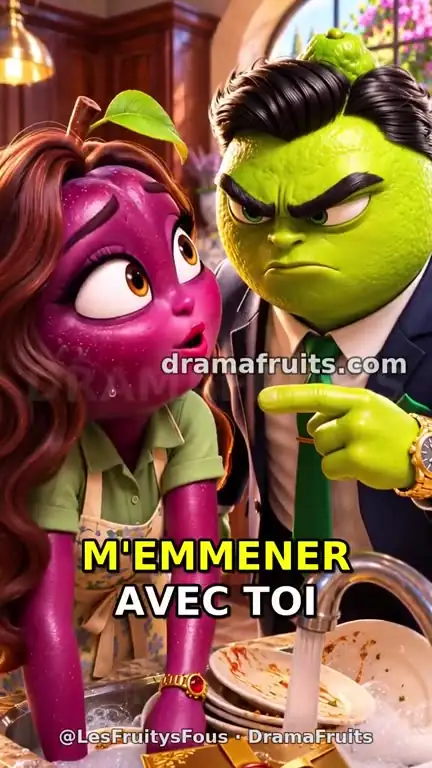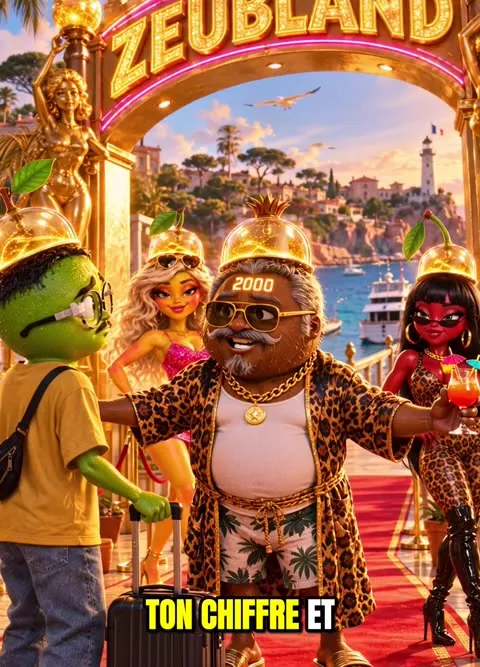
On TikTok, most people decide in an instant whether they stay or swipe. The hook is the very first sentence or image of your video. For a story, it's often the difference between 500 and 500,000 views.
What a good hook must do
- Set immediate stakes: who risks what?
- Be understood without sound (the image or subtitles are enough).
- Be short: under 12 words.
- Plant a question in the viewer's mind: “so, will he do it?”
7 formulas that work
- The timed ultimatum: “You have 24 hours to give the money back.”
- The direct threat: “Say one word and I post the video.”
- The secret revealed: “I know what you did on Saturday.”
- The unfair rule: “Last one in cleans everything for a month.”
- The shocking number: “12 followers. Is that all you're worth?”
- The betrayal: “It was my best friend who turned me in.”
- The arrival that changes everything: “Your father just got here. He knows.”
Start directly with the line, with no establishing shot before it. The very first second must already contain the conflict.
Mistakes that make people swipe
- An intro (“Hi, today…”) or a silent shot of the setting.
- A hook that promises something the video doesn't deliver.
- Too many characters introduced at once.
- A sentence so long the subtitles cut it into three.
And after the hook?
The hook makes people stay; the twists make them watch to the end. Plan a twist about every 15 seconds and an ending cut at the worst moment so people want to see the next part.
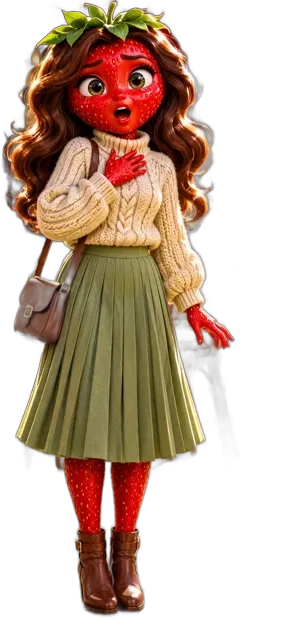
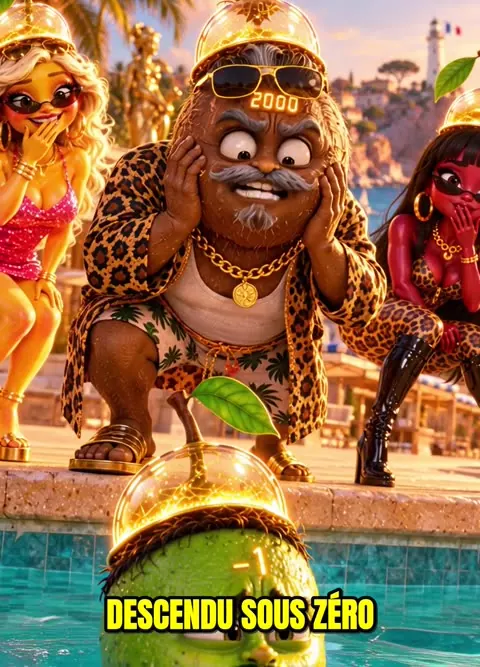
In DramaFruits, every episode is checked before generation: a hook under 12 words in scene 1, twists, a punchline and a call to comment.
Your first fruit drama on autopilot
One idea is enough: DramaFruits writes the story, generates the images and clips with your ChatGPT and Grok accounts, then edits the video and prepares the caption.
Create my first episode